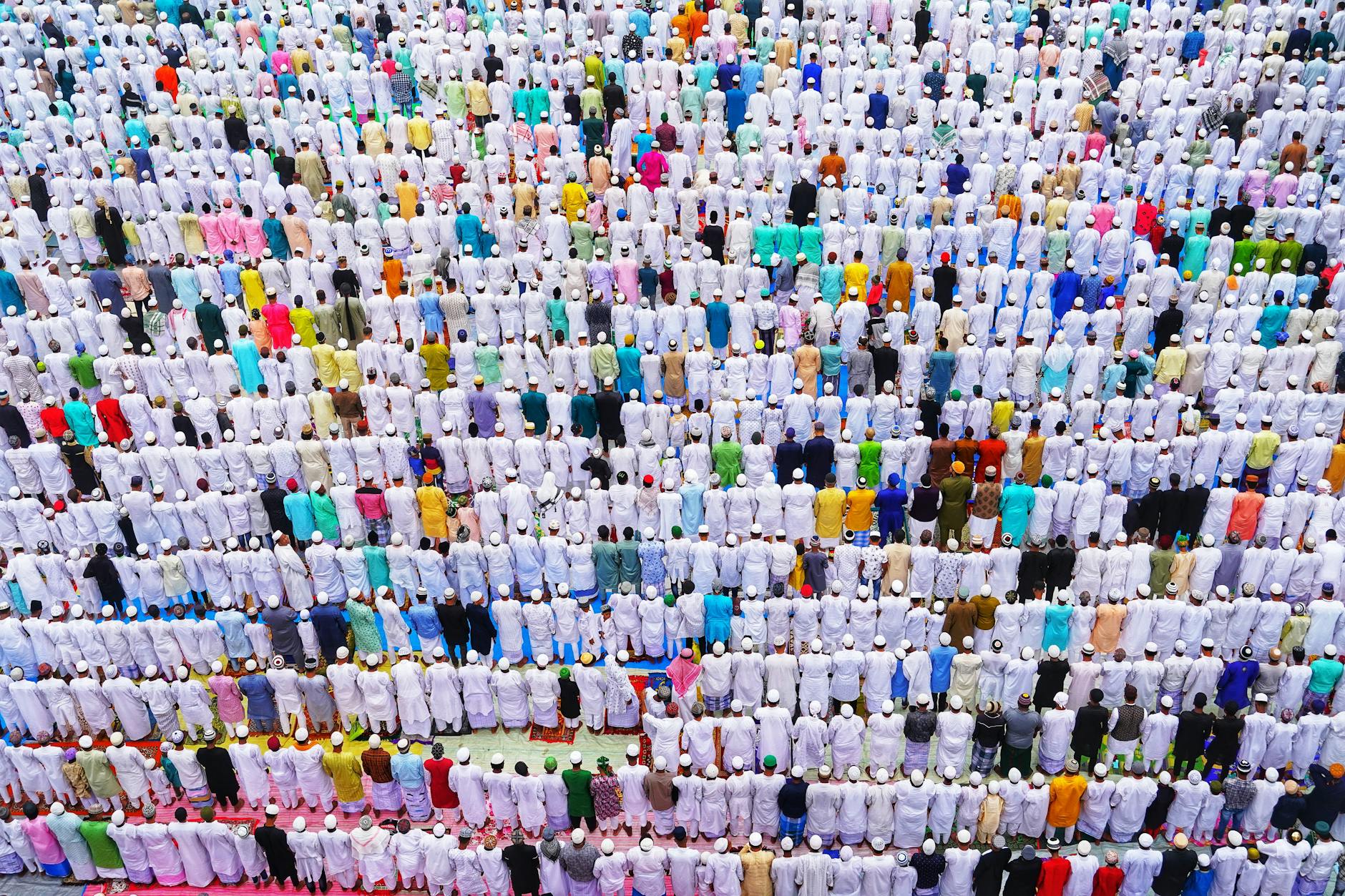
Salat al-Aïd, often simply referred to as the Eid prayer, stands as one of the most significant and joyous occasions in the Islamic calendar. This special congregation marks the culmination of two major annual events for Muslims worldwide: Eid al-Fitr, which celebrates the end of the blessed month of Ramadan, and Eid al-Adha, commemorating the profound sacrifice of Prophet Ibrahim (Abraham). Far more than just a ritual, Salat al-Aïd is a deeply spiritual experience, a vibrant community gathering, and a powerful expression of gratitude and unity. As millions of faithful prepare to participate, understanding its significance, preparing for the day, and knowing the appropriate lieux prière aïd (Eid prayer locations) become paramount.
Understanding Salat al-Aïd: Significance and Spirit
The essence of Salat al-Aïd lies in its communal spirit and profound spiritual meaning. It's a day of collective worship, heartfelt thanks to Allah, and shared celebration. Unlike daily prayers, the Eid prayer is performed in large congregations, often requiring expansive venues beyond typical mosques to accommodate the vast numbers of attendees.
Eid al-Fitr: A Celebration of Completion and Gratitude
Eid al-Fitr, meaning "the Festival of Breaking the Fast," marks the triumphant end of Ramadan. After a month of fasting, introspection, and intensified worship, this day is a reward from Allah. Salat al-Aïd al-Fitr is a moment for Muslims to express immense gratitude for the strength and perseverance granted during Ramadan, to seek forgiveness, and to rejoice in spiritual renewal. It's also a time for Zakat al-Fitr, a mandatory charity given to the needy before the prayer, ensuring everyone can partake in the joy of Eid.
Eid al-Adha: Commemoration of Sacrifice and Devotion
Eid al-Adha, "the Festival of Sacrifice," is arguably the most significant Eid in Islam. It honours Prophet Ibrahim's willingness to sacrifice his son Ismail (Ishmael) in obedience to Allah's command, a testament to unwavering faith. This Eid coincides with the annual Hajj pilgrimage to Mecca. Salat al-Aïd al-Adha is followed by the tradition of Qurbani (sacrifice of an animal), the meat of which is distributed among family, friends, and the less fortunate, reinforcing themes of charity, compassion, and submission to divine will.
Both Eid prayers embody a spirit of unity, forgiveness, and community solidarity. They are moments to forget differences, extend greetings, and strengthen bonds within the Muslim Ummah (community).
Preparing for the Grand Occasion: Tips for a Seamless Eid
A successful and fulfilling Eid experience begins with thoughtful preparation. Given the immense significance and the often large crowds, a few practical tips can ensure you make the most of this blessed day:
- Perform Ghusl and Dress Your Best: It is a sunnah (tradition) to perform a full ritual bath (Ghusl) before Eid prayers. Donning your finest clothes, applying perfume (for men), and ensuring overall cleanliness reflects the joyous and celebratory nature of the day.
- Eat Before Eid al-Fitr, Wait for Eid al-Adha: For Eid al-Fitr, it is customary to eat a few dates or something light before heading to the prayer, symbolizing the breaking of the fast. For Eid al-Adha, it is sunnah to wait and eat from the sacrificial meat after the prayer.
- Arrive Early: Popular lieux prière aïd, especially in urban centres, can become incredibly crowded. Arriving well in advance allows you to find parking, secure a good spot, and perform any pre-prayer supplications without rush. Many venues offer multiple prayer times to manage capacity, so knowing your preferred slot and arriving early for it is key.
- Bring a Prayer Mat: While some venues provide mats, bringing your own ensures comfort and hygiene, particularly if the prayer is held outdoors in a stadium or park.
- Check Local Announcements: This is perhaps the most crucial tip. Always verify the exact prayer timings and locations with local mosques, Islamic centres, or trusted community organisations. Unexpected changes can occur due to weather, logistical issues, or daylight saving transitions.
- Plan Your Route and Parking: Large gatherings can lead to traffic congestion. Plan your journey, consider public transport where available, and identify parking options beforehand.
Navigating Daylight Saving Time for Eid al-Fitr
For those celebrating Eid al-Fitr in regions observing daylight saving time, like France, an extra layer of planning is essential. The shift to summer time, often occurring on the night before Eid al-Fitr, means clocks jump forward by an hour. This can subtly alter usual morning routines and prayer timings. For example, if the clock advances from 2 AM to 3 AM, a prayer scheduled for 8 AM will feel an hour earlier than usual. Always double-check your devices and local mosque timings to avoid any confusion. For more specific advice on managing the time change during Eid al-Fitr in France, refer to our dedicated guide: Aïd al-Fitr 2025: France Prayer Times & Daylight Saving Tips.
Finding Your Lieu de Prière Aïd: Key Locations & Considerations
The quest for the ideal lieu de prière Aïd is a significant part of Eid preparations. Due to the large congregational nature of Salat al-Aïd, traditional mosques often cannot accommodate all attendees. Therefore, communities often utilise a variety of alternative venues to ensure everyone has a space to pray. This diversity in locations reflects the vibrant and adaptive nature of Muslim communities.
Types of Lieux Prière Aïd
Across France and other European nations, you'll find Eid prayers held in a range of settings:
- Grandes Mosquées (Grand Mosques): Iconic institutions like the Grande Mosquée de Paris are central hubs, often hosting multiple prayer times to manage the flow of worshippers.
- Stades (Stadiums): Large sports stadiums, such as Stade Auguste Delaune in Saint-Denis, are frequently transformed into vast outdoor prayer areas, offering ample space for thousands of faithful.
- Gymnases et Salles Polyvalentes (Gymnasiums and Multi-purpose Halls): Community centres and school gymnasiums, like Gymnase Coubertin in Goussainville or Gymnase de la Ficelle in Lyon, provide indoor alternatives, particularly useful in unpredictable weather.
- Mosquées Locales (Local Mosques): Smaller mosques will still host prayers, often with multiple sessions, serving their immediate neighbourhoods.
The critical takeaway is that the specific lieux prière aïd change annually and can vary even within the same city. What was a venue in 2019 or 2025 might not be the designated spot in the current year. Therefore, relying on up-to-date, official information is paramount.
Where to Find Reliable Information
To pinpoint your nearest lieu de prière Aïd and its specific timing:
- Official Mosque Websites & Social Media: Most mosques and Islamic cultural centres publish their Eid schedules well in advance on their official websites or social media pages.
- Local Islamic Councils: Organisations like the Conseil Français du Culte Musulman (CFCM) or regional federations often disseminate a consolidated list of prayer locations and times.
- Community Announcements: Keep an eye on local community boards, WhatsApp groups, or flyers distributed in Muslim-owned businesses.
- Trusted News Outlets: Reputable local news websites sometimes publish lists of major Eid prayer locations.
Remember, popular venues may offer several prayer times (e.g., 8:00 AM, 9:00 AM, 10:00 AM) to accommodate the massive influx of people. Choose the time that best suits your family and logistical plans. For a comprehensive list of lieux prière aïd and their timings in various French cities, especially during specific Eid seasons, we recommend consulting resources like Your Guide to Aïd Prayer Locations & Times in France for up-to-date local information.
The Community Aspect: Beyond the Prayer
While Salat al-Aïd is the spiritual anchor of the day, Eid is also profoundly about community, family, and joy. After the prayer, the celebrations truly begin:
- Family Gatherings: Visiting relatives, sharing elaborate meals, and exchanging gifts are cherished traditions. It's a time to reconnect, strengthen familial bonds, and create lasting memories.
- Spreading Joy: The spirit of Eid encourages generosity and kindness. Many Muslims visit the sick, console the bereaved, and extend goodwill to neighbours of all faiths.
- Charity and Sharing: Beyond Zakat al-Fitr and Qurbani, the day reminds us to be mindful of those less fortunate and to share our blessings.
- Children's Delight: Eid is particularly special for children, who often receive new clothes, gifts, and treats, making it a day of immense excitement and happiness.
The collective joy, the vibrant colours, the delicious food, and the heartfelt greetings of "Eid Mubarak" (Blessed Eid) all contribute to the unique and unforgettable atmosphere of Eid.
Salat al-Aïd is a spiritual beacon that illuminates the hearts of Muslims twice a year. It's a moment of profound gratitude, communal strength, and joyful celebration. By understanding its significance, preparing thoughtfully, and proactively seeking out the most current information regarding lieux prière aïd and prayer times, every Muslim can partake fully in the blessings and beauty of this special day. May your Eid be filled with peace, prosperity, and the boundless blessings of Allah.